Reclaimed Playtime

Programmer // Interaction Developer // Interface Developer

Game Development

Unity VR - Fall 2023

Team

3D Modeller // Visual Artist // Environment Designer - Alexis Lee

Programmer // Interaction Designer - Grace Tan

Visual Artist // Environment Designer - Monica De Mesa

Programmer // 3D Modeller // Sound Designer - Michael Su

A short VR experience through the eyes of a burdened individual who must repair children's toys to overcome their childhood trauma.

Project Goals

This project was my introduction to VR game development and how to design to minimize motion sickness. The goal was to immerse the player in the game environment and foster a connection between the players own childhood experiences and the story being told in-game. In my role, I added the VR player interactions and learned about raycasting and how players interact with UI in the VR space.

Navigating Deadlines

Despite originally having a 13 week deadline, we were given only 5 weeks to complete this project as the result of a strike. Below is a timeline showcasing what tasks I completed throughout the 5 weeks.

Week 1

- Ideation.

Week 2

- Add player movement.

- Add pickup/throw interactions.

Week 3

- Add worldspace UI.

- Playtests.

Week 4

- Add raycasting from player controller.

Week 5

- Create scene transitions.

- Bug fixing.

Environment Design

The pillow fort was designed to create a pleasant atmosphere for the player while serving as a narrative element to convey the theme of overcoming trauma. Initially, the environment appears greyscale. As the player restores broken toys from their childhood, colour gradually returns to their surroundings, symbolizing the character’s healing.

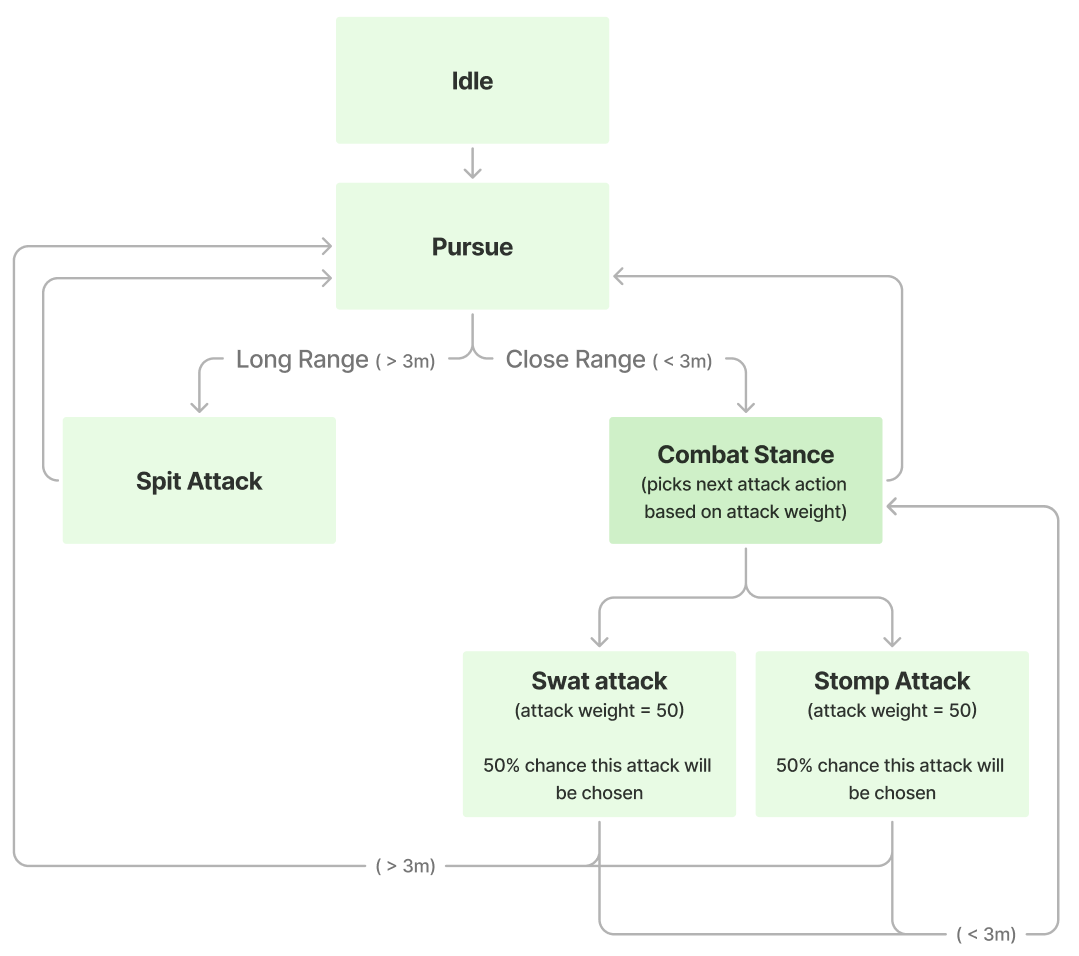
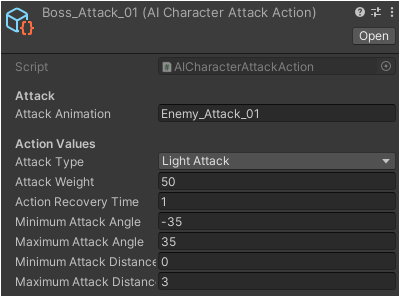
flow chart of enemy statemachine screenshot of attack action scriptable object

We do not own these images

Player Interactions

I created the VR interaction allowing the player to walk using the controller joysticks by setting up an appropriate VR camera and editing the controller bindings. I also added interaction scripts in C#, allowing players to pick up and throw items in the VR space.

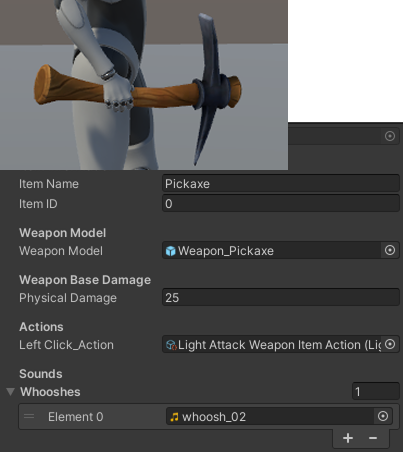
screenshot of weapon scriptable object

UI Interactions

During playtests, we discovered some users were struggling to interact with objects in the game and understand the controls. Using the text-interface I developed for the games opening screen, we added in-game text to teach the player the controls at the start of the game.

flow chart of enemy statemachine screenshot of attack action scriptable object

Key Learnings

Unity VR, World-building, Time Management

Being that this was a first introduction to creating a VR game, I believe the project accomplished its goal of creating an immersive space for players to explore and engage with. I am incredibly proud of the VR experience our team managed to create despite facing tight deadlines and unforeseen obstacles. Future iterations of the project would include a more thoughtful ending, and more clear direction for how the player is supposed to end the experience.